 My
How Much Does a Cat Cost Per Month in the US in 2026
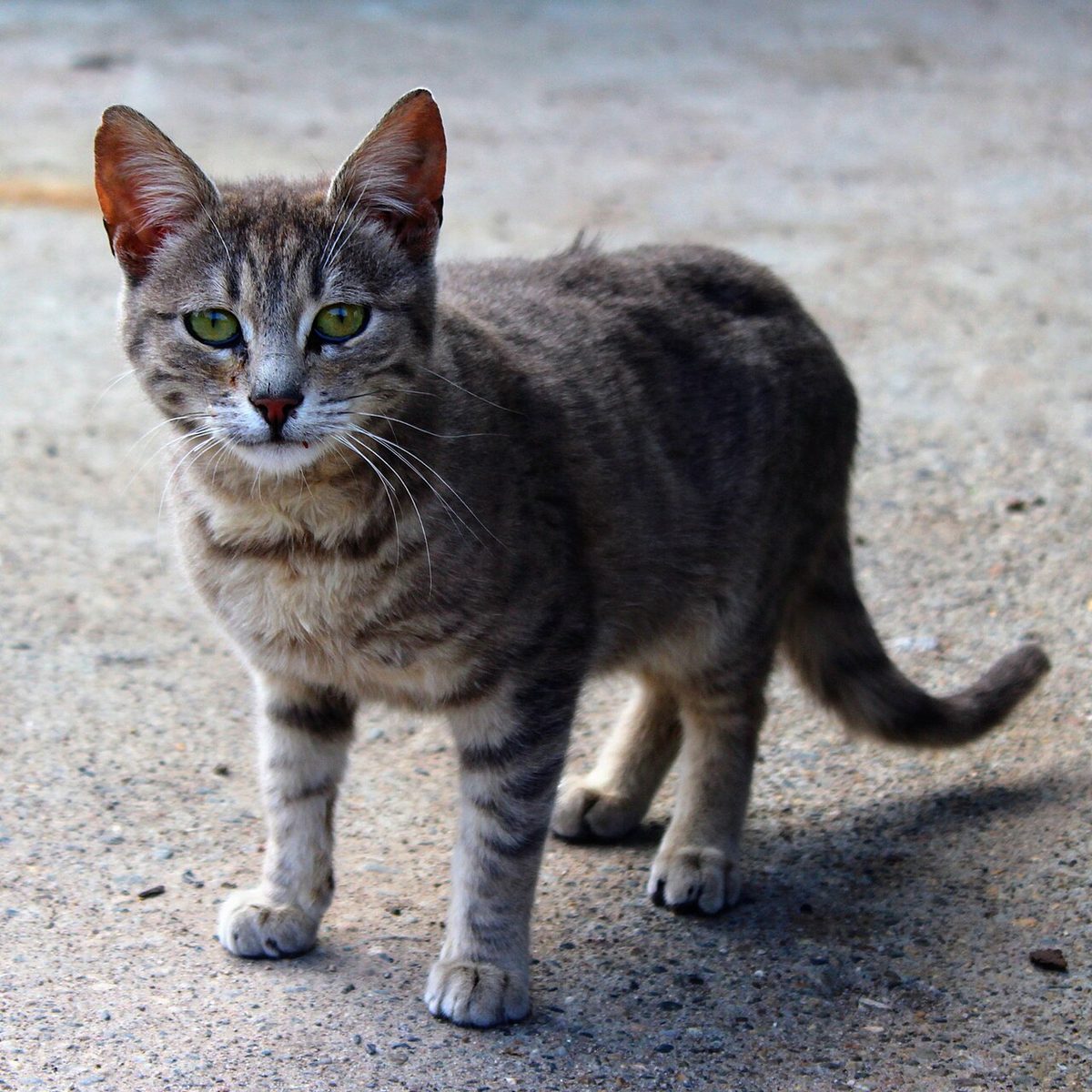
A cat in the US costs about $60 to $150 per month in 2026, for a healthy adult indoor cat. Most cats cost $70 to $120 per month once food, litter, routine vet care and insurance are counted. Kittens cost more in the first year, and senior cats cost more for vet care. In the UK, the same cat costs about £55 to £130 per month.
Cats usually cost less per month than dogs. They eat less, they do not need walks, grooming is often simple, and boarding is cheaper. That does not mean a cat is cheap. Food, litter, vet care, insurance and emergency care add up over a 12 to 18 year life, and the lifetime cost of a cat is often $12,000 to $25,000. This guide gives you a full monthly breakdown for the US in 2026, with a UK section, a first year table, and a lifetime total. Every price is a range, because breed, age, health and location change the total a lot.
Monthly cost breakdown for an average cat
| Cost | Indoor cat per month | Outdoor cat per month |
|---|---|---|
| Food, wet and dry | $25 to $55 | $30 to $65 |
| Litter | $15 to $30 | $15 to $30 |
| Treats | $5 to $15 | $5 to $15 |
| Routine vet care, averaged | $20 to $40 | $25 to $50 |
| Pet insurance | $15 to $40 | $20 to $50 |
| Flea, tick and worm prevention | $10 to $25 | $15 to $30 |
| Toys, scratcher and supplies | $5 to $15 | $5 to $15 |
| Grooming, long hair cats | $0 to $30 | $0 to $30 |
| Total per month | $60 to $150 | $80 to $180 |
Routine vet care in the table is an average. You do not pay the vet every month. You pay for a yearly checkup, vaccines and blood tests, and we spread that yearly cost across 12 months so you can budget for it. Emergency vet care is not in the table. One emergency visit can cost $800 to $4,000, which is why many owners buy insurance or keep an emergency fund.
How much does cat food cost per month
Food is the biggest monthly cost for most cat owners. A cat eats about 200 to 300 calories a day, which is about 50 to 80 grams of dry food, or one to two small cans of wet food, or a mix of both. Dry food alone costs about $20 to $40 a month. Wet food alone costs about $40 to $80 a month. A mix of wet and dry, which most vets and owners use, costs about $25 to $55 a month. Premium and prescription food costs more, often $60 to $120 a month. Treats add $5 to $15 a month. Use our Cat Food Cost Calculator to work out the cost per day for wet food, dry food and a mix, and use our cat food cost per day guide to compare brands by cost per calorie.
Compare food by cost per day, not by bag or can price. A cheap bag that your cat will not eat is wasted money. A more expensive food that your cat eats fully and stays healthy on can cost less per day than a cheap food that is left in the bowl. Check the calorie content on the pack, weigh the food for a week, and see how long a bag or a case really lasts.
How much does cat litter cost per month
Litter costs about $15 to $30 a month for one cat, depending on the type. Clay litter is cheapest, often $10 to $20 a month. Clumping litter costs about $15 to $30 a month. Silica, wood, paper and other natural litters cost about $20 to $40 a month. A second cat does not double the litter cost, but it does raise it, and you need one litter tray per cat plus one extra, so a two cat home needs three trays. Scoop daily, change the litter fully each week, and wash the tray, because a dirty tray is the most common reason a cat stops using it.
How much does vet care cost per month
A healthy adult cat needs a yearly checkup, vaccines and parasite prevention. In the US in 2026, a routine vet visit costs about $45 to $90, vaccines cost about $20 to $60 each, and a dental cleaning costs about $300 to $700 when it is needed. Spreading the yearly routine cost across the year gives about $20 to $50 a month. Kittens cost more in the first year, because they need a series of vaccines, deworming and spaying or neutering. Senior cats cost more too, because they need blood tests, dental work and medicine for kidneys, thyroid or other age related conditions. Indoor cats usually cost less for vet care than outdoor cats, because they have fewer injuries, fewer fights and fewer parasites.
How much is pet insurance per month for a cat
Pet insurance in the US in 2026 costs about $15 to $50 per month for a cat, depending on breed, age, location, deductible and cover level. Accident only cover is cheapest, often $10 to $20 a month. Accident and illness cover is the common choice, about $20 to $45 a month for a young healthy cat. Purebred cats like Maine Coons, Persians and Bengals often cost more to insure, because they have known breed health risks. Use our Pet Insurance Cost Estimator to compare a monthly premium with the cost of paying vet bills yourself. Insurance makes sense if one emergency bill of $2,000 would be hard for you to pay at once.
How much does grooming cost for a cat
Most short hair cats groom themselves and need almost no professional grooming. Budget $0 to $10 a month for a brush and nail trimmers. Long hair cats, like Persians and Maine Coons, need brushing several times a week and professional grooming every 6 to 8 weeks. A professional groom in the US costs about $40 to $80 per session, which is about $20 to $30 a month when spread across the year. If you do not brush a long hair cat, the coat mats, and removing mats is painful and expensive, so regular brushing is the cheapest grooming you can do.
First year cost: what to expect
| First year item | Typical range in the US |
|---|---|
| Adoption fee or purchase price | $50 to $200 for adoption, $400 to $3,000 for a breeder kitten |
| First vet visits and vaccines | $150 to $400 |
| Spaying or neutering | $100 to $400 for a cat |
| Microchip, licence and ID tag | $50 to $100 |
| Litter trays, bed, bowls, carrier, scratcher | $100 to $300 |
| Food and litter for the first year | $400 to $1,000 |
| Insurance for the first year | $180 to $500 |
| First year total, not counting purchase price | $800 to $1,800 |
A shelter cat often includes vaccines, microchip and spaying or neutering in the adoption fee, which makes the first year cheaper. A breeder kitten can cost $400 to $3,000, and a rare breed can cost more. A low purchase price does not mean a low lifetime cost. Ask for health tests, get a vet check within the first week, and keep the kitten indoors until vaccines are complete, if that is what your vet advises.
Lifetime cost of a cat
A cat lives about 12 to 18 years on average, longer for indoor cats and shorter for outdoor cats. At $60 to $150 a month, plus first year setup, the lifetime cost is about $12,000 to $25,000 for an average cat. A purebred cat with health problems can cost much more. Senior care is the most expensive part of a cat's life, because of blood tests, dental work and daily medicine. Plan for that from the start, and keep an emergency fund for the later years.
How much does a cat cost per month in the UK
In the UK in 2026, a cat costs about £55 to £130 per month. Food costs about £20 to £50 a month, litter about £10 to £25 a month, routine vet care about £20 to £45 a month averaged across the year, insurance about £12 to £40 a month, and treats and supplies about £5 to £15 a month. The first year in the UK costs about £700 to £1,600, not counting purchase price. The PDSA estimates lifetime costs of about £12,000 to £17,000 for a cat, depending on breed and health. UK vet prices vary by region, with London and the south east usually the most expensive.
Hidden costs most cat owners miss
Boarding and pet sitting is the hidden cost that catches most owners. Boarding a cat in the US costs about $25 to $50 per night, and a two week holiday can cost $350 to $700. A pet sitter who visits your home costs about $20 to $40 per visit. Damage to furniture, curtains and carpets, extra cleaning, and replacing scratched items also add up. If you rent, a pet deposit can cost $200 to $500, and some landlords charge monthly pet rent of $25 to $50. Add a holiday and sitting budget to your monthly plan, even if you only use it a few times a year.
How to keep cat costs down without cutting care
Buy food and litter in larger packs when the price per kg is lower, and store them well. Keep up with vaccines and parasite prevention, because prevention is far cheaper than treatment. Brush a long hair cat at home, and ask your vet about dental care, because dental disease is common and expensive to treat. Play with your cat daily and give it a scratcher, because a bored cat is more likely to damage furniture. Compare insurance before your cat gets sick, because pre existing conditions are usually excluded. Do not skip vet visits to save money. A small problem found early is almost always cheaper than the same problem found late.
Frequently asked questions
Is $60 a month enough for a cat?
For a healthy adult indoor cat, $60 to $80 a month can be enough if you buy mid priced food and litter and have no emergencies. Most owners spend $70 to $120 a month once insurance and routine vet care are counted.
Do cats cost less than dogs?
Yes, in most cases. A cat costs about $60 to $150 a month, a dog costs about $100 to $250 a month. Cats eat less, need less grooming and do not need walks or day care. Read our dog cost per month guide for a direct comparison.
How much should I save before getting a cat?
Save the first year cost before you bring a cat home, about $800 to $1,800, plus an emergency fund of $800 to $1,500. That gives you room for setup, early vet care and one unexpected bill.
Is pet insurance worth it for a cat?
Insurance is worth it if a $2,000 vet bill would be hard to pay at once. For young healthy cats, accident and illness cover at $20 to $45 a month is the common choice.
Does an outdoor cat cost more than an indoor cat?
Yes, usually. Outdoor cats have more injuries, more fights, more parasites and more vet visits. They cost about $80 to $180 a month, compared with $60 to $150 a month for an indoor cat.
Related guides and calculators
Sources and how we priced this
Prices in this guide are ranges, not single facts, because published sources disagree. We used the American Pet Products Association 2025 and 2026 industry figures, Rover 2026 cost of dog ownership reports, the PDSA PAW Report and PDSA cost guides for the UK, the American Animal Hospital Association and the National Research Council feeding guidance, and published insurer and vet price lists in the US and the UK. All prices were checked in Nov 2026 and are shown in US dollars unless a UK section says pounds. Where a source gave one number, we widened it into a range to reflect size, breed and location.