 My
How Much Does a Ragdoll Cat Cost Per Month
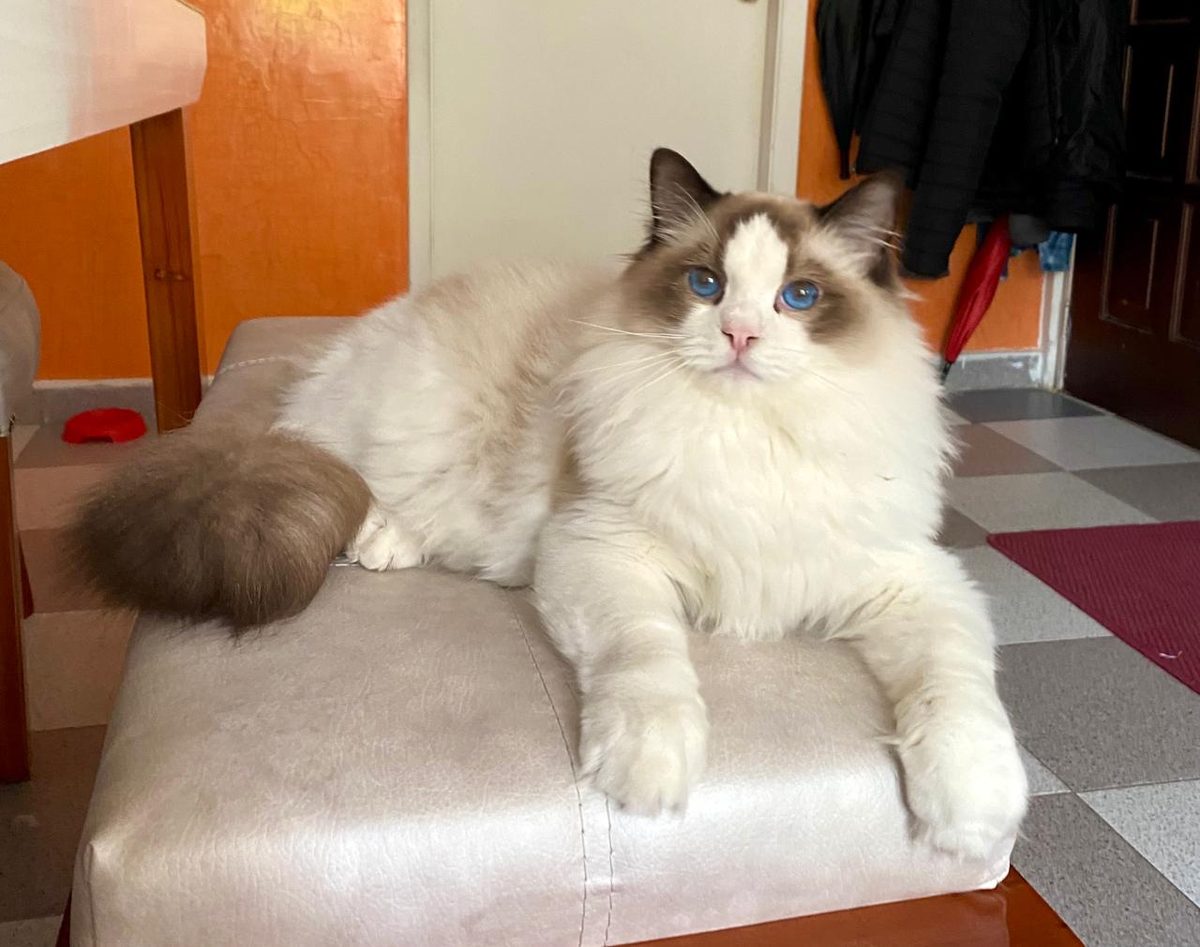
A Ragdoll cat in the US costs about $100 to $235 per month in 2026, for a healthy adult cat. Ragdolls are large cats, so food and litter cost more than for a small cat, and the kitten price is high, because a registered Ragdoll kitten often costs $1,000 to $2,800. The first year costs about $2,200 to $5,400 including the kitten price, and the lifetime cost is about $14,000 to $40,000. In the UK, a Ragdoll costs about £85 to £170 per month.
Ragdolls are large, gentle, floppy cats that go limp when held, which is how the breed got its name. They are one of the most popular pedigree cat breeds in the US and the UK, and also one of the most searched for cost, because the kitten price is high and the monthly cost is higher than for a small cat. The newest guide competitor in this niche, MeltPet, has a full monthly breakdown for only 8 breeds, and Ragdoll is explicitly missing from its list, along with Maine Coon, Corgi and Labrador. That gap is why this page exists. It gives the full answer: monthly, first year, annual and lifetime cost, with food, vet, insurance, grooming and hidden costs, and a UK section.
Every price here is a range checked in Nov 2026. Published sources disagree, and they should, because a Ragdoll in New York costs more to feed and treat than the same cat in a small town, and a breeder kitten costs far more than a rescue cat. Petful lists a Ragdoll kitten at $1,000 to $2,800 for pet quality in its 2026 guide, with show and breeding quality at $3,000 to $5,000 or more, and ongoing costs of $90 to $200 a month. Catster lists a purchase price of $400 to $2,500 and monthly costs of $265 to $750, but that top figure includes vet costs that most healthy cats do not pay every month. Our range of $100 to $235 a month sits inside those published ranges, and the wider lifetime range reflects heart and kidney disease, which are the biggest cost risks for this breed.
Monthly cost breakdown for a Ragdoll
| Cost | Per month in the US |
|---|---|
| Food, wet and dry | $25 to $50 |
| Litter | $10 to $25 |
| Routine vet care, averaged | $20 to $45 |
| Pet insurance | $25 to $50 |
| Flea, tick and worm prevention | $10 to $20 |
| Grooming and coat care | $10 to $30 |
| Toys, scratchers and supplies | $5 to $15 |
| Total per month | $105 to $235 |
Routine vet care in the table is an average. You do not pay the vet every month. You pay for a yearly checkup, vaccines and blood tests, and we spread that yearly cost across 12 months so you can budget for it. Emergency vet care is not in the table. One emergency visit for a Ragdoll can cost $1,000 to $5,000, and heart screening and treatment can cost $1,000 to $5,000 a year if disease develops.
How much does Ragdoll food cost per month
Food is the biggest monthly cost for a Ragdoll. An adult Ragdoll of 5 to 9 kg eats about 250 to 350 calories a day, more than a 4 kg cat, and needs about 250 to 400 grams of wet food a day if fed wet only, or about 60 to 90 grams of dry food a day if fed dry only. Most owners feed a mix. Dry food alone costs about $20 to $40 a month. Wet food alone costs about $40 to $80 a month. A mix of wet and dry, which most vets recommend for hydration, costs about $25 to $50 a month. Treats add $5 to $10 a month. Ragdoll kittens eat more per kg than adults while they grow, and they keep growing until about 3 to 4 years old, much longer than most cats. Use our Cat Food Cost Calculator to compare wet and dry food by cost per day for your cat's weight.
Do not judge food by bag price alone. Compare by cost per day for your cat's weight and by cost per 1,000 calories. A cheap food that your cat needs more of can cost more per day than a more expensive food that is more energy dense. Check the feeding guide on the pack, weigh the food for a week, and adjust to keep your cat at a healthy weight. Ragdolls are indoor cats that gain weight easily if fed freely, and extra weight makes heart and joint problems worse. Like the Maine Coon and the Persian, the Ragdoll is a large, long coated cat, so food, litter and grooming all cost more than for a small short haired cat.
How much does vet care cost for a Ragdoll
A healthy adult Ragdoll needs a yearly checkup, vaccines and parasite prevention. In the US in 2026, a routine vet visit costs about $50 to $100, vaccines cost about $20 to $75 each, and a dental cleaning costs about $300 to $800 when it is needed. Spread across the year, routine care costs about $20 to $45 a month. Ragdolls have two breed health risks that owners should know about and budget for. Hypertrophic cardiomyopathy, a heart condition, affects this breed more than most cats, and responsible breeders screen for it with DNA tests and heart scans. Polycystic kidney disease, a kidney condition, also appears in this breed. Bladder stones and urinary problems are also common, and obesity makes every one of these worse. Screening, blood tests and heart scans cost extra, and treatment for heart disease can cost $1,000 to $5,000 a year if it develops. Ask the breeder for heart and kidney screening results for both parents, and ask your vet about a baseline heart check for your cat.
Spaying or neutering a Ragdoll costs about $200 to $500 in the US in 2026. Kittens need a series of vaccines in the first year, which costs about $150 to $400 in total. Senior Ragdolls, from about 10 years old, need blood tests, dental work and sometimes medicine for kidneys, thyroid or joints, and vet costs rise to $40 to $90 a month averaged across the year. Ragdolls are indoor cats, so they face fewer injuries and infections than outdoor cats, but they still need flea and worm prevention, because parasites can come inside on shoes and clothes.
How much is pet insurance per month for a Ragdoll
Pet insurance for a Ragdoll in the US in 2026 costs about $25 to $50 a month for a young healthy cat on accident and illness cover. Accident only cover is cheaper, often $12 to $25 a month. Older cats cost more, often $40 to $80 a month, and some insurers will not cover pre existing conditions, including heart disease diagnosed before the policy starts. Use our Pet Insurance Cost Estimator to compare a monthly premium with the cost of paying vet bills yourself.
Insurance makes sense for a Ragdoll if one emergency bill of $3,000 would be hard to pay at once. The break even line is simple to work out. At $35 a month, insurance costs $420 a year, or $4,200 over 10 years. One heart workup can cost $1,000 to $3,000, one emergency hospital stay can cost $2,000 to $5,000, and one year of heart medicine can cost $500 to $1,500. If you can keep $5,000 in savings for emergencies and you will actually keep it aside, self insuring can work. If you would spend the savings on other things, insurance is the safer choice. Buy insurance when your cat is a kitten and healthy, before any heart or kidney problem is diagnosed, because a diagnosis before the policy starts is usually excluded. Compare at least three insurers, check the deductible, the yearly limit and whether heart conditions are covered, because those three details change the value more than the monthly price.
How much does grooming cost for a Ragdoll
Ragdolls have a semi long, silky coat that needs regular care. Brushing at home 2 to 3 times a week takes about 10 minutes and costs very little, about $10 to $30 a month for a good brush, shampoo and nail trimmers spread across the year. Professional grooming every 8 to 12 weeks costs about $50 to $90 per session in the US, which is about $15 to $35 a month when spread across the year. Mats form behind the ears, under the legs and around the collar, and a matted coat can hurt and can hide skin problems. Ragdolls shed moderately and heavily in spring, so a good brush and a vacuum help. If you groom at home, start when your cat is a kitten, keep sessions short and calm, and ask your groomer to show you the right brush for the coat. A Ragdoll that hates grooming will cost you more in vet visits for matted fur and skin infections than the grooming itself.
First year cost of a Ragdoll
| First year item | Typical range in the US |
|---|---|
| Kitten price, registered breeder | $1,000 to $2,800 |
| Kitten price, rescue or rehome | $75 to $600 |
| First vet visits and vaccines | $150 to $400 |
| Spaying or neutering | $200 to $500 |
| Microchip and ID | $50 to $100 |
| Carrier, litter tray, bed, scratcher | $150 to $350 |
| Food for the first year | $300 to $600 |
| Insurance for the first year | $300 to $600 |
| First year total, including breeder kitten | $2,200 to $5,400 |
The kitten price is the most variable part. A registered kitten from a breeder who screens for heart disease and kidney disease costs $1,000 to $2,800 in the US, and most fall between $1,500 and $2,500. Show and breeding quality kittens cost $3,000 to $5,000 or more. A rescue Ragdoll can cost $75 to $600 in adoption fees, and that often includes vaccines, microchip and spaying or neutering, though rescue Ragdolls are usually adults and kittens are rare. A low purchase price does not mean a low lifetime cost. A cheap kitten from a breeder who does no health screening can have heart problems that cost thousands later. Ask for screening results, see the parents if you can, and get a vet check within the first week. A kitten advertised as registered and health tested for well under $1,000 is a red flag.
Lifetime cost of a Ragdoll
A Ragdoll lives about 12 to 17 years on average. At $100 to $235 a month, plus first year setup, the lifetime cost is about $14,000 to $40,000 for a healthy cat. A cat with heart disease, kidney disease or bladder problems can cost much more. Senior care, dental work and medicine in the last few years often cost $80 to $180 a month. These numbers surprise many first time owners, because the cat looks calm and easy, and they are the reason to plan before you bring a Ragdoll home. Ragdolls live longer than most large cats, so the lifetime total is high even though the monthly cost is moderate.
How much does a Ragdoll cost per month in the UK
In the UK in 2026, a Ragdoll costs about £85 to £170 per month. Food costs about £25 to £50 a month, litter about £10 to £25 a month, routine vet care about £20 to £45 a month averaged across the year, insurance about £20 to £45 a month, grooming about £10 to £30 a month, and treats and supplies about £5 to £15 a month. A registered kitten costs about £800 to £2,000. The first year in the UK costs about £1,800 to £3,500 including the kitten price. The PDSA estimates a cat costs at least £79 a month, and a Ragdoll sits above that because of size, food and coat, with a lifetime cost of about £11,400 to £13,600 or more, not counting the cat itself. UK vet prices vary by region, with London and the south east usually the most expensive. Rescue Ragdolls are scarce in the UK, and the British Ragdoll Cat Club rehomes cats across the country, with adoption fees usually between £80 and £185.
Hidden costs of a Ragdoll
Boarding and cat sitting is the hidden cost that catches most owners. Boarding in the US costs about $25 to $60 per night, and a two week holiday can cost $350 to $800. A large litter tray, a tall scratching post and a sturdy cat tree cost more for a Ragdoll than for a small cat, because the cat is bigger and heavier. A cheap cat tree will not last. Ragdolls are indoor cats by nature, they are trusting, they do not defend themselves well outdoors, and they are a target for theft, so a secure home and a catio cost money if you want safe outdoor time. Damage to furniture from scratching, extra cleaning for shedding fur, and a larger carrier for vet trips also add up. Add a holiday and sitting budget to your monthly plan, even if you only use it a few times a year.
Is a Ragdoll worth the cost
Ragdolls are known as gentle, calm, affectionate and good with children and other pets. They follow their owners around the house, they like to be held, and they are one of the most dog like cat breeds. They are also big, long lived and expensive to buy, and they need company, grooming and a heart aware vet. They are worth the cost if you want a large, social, indoor cat and you can afford $100 to $235 a month for 12 to 17 years, plus the kitten price and an emergency fund. They are not a good choice if you want a low cost, independent cat, or a cat that goes outdoors alone. A short haired rescue cat will cost less every month, in food, litter, grooming and vet care, and it will need less of your time.
Frequently asked questions
Why are Ragdoll kittens so expensive?
Registered breeders pay for heart and kidney screening, vaccines, food and care for the mother and kittens, and they raise kittens for 12 to 14 weeks before sale. That care costs money, and the price reflects it. A kitten sold at 8 weeks with no screening is cheaper to buy and riskier to keep.
Do Ragdolls eat a lot?
Yes, for a cat. An adult Ragdoll eats about 250 to 350 calories a day, about 50 percent more than a 4 kg cat. Food costs about $25 to $50 a month, and kittens eat more per kg while they grow.
How much is insurance for a Ragdoll?
About $25 to $50 a month for a young healthy cat on accident and illness cover in the US in 2026. Older cats cost $40 to $80 a month. Compare at least three insurers and check whether heart conditions are covered.
Do Ragdolls need professional grooming?
Not always, but it helps. Brushing at home 2 to 3 times a week is enough for most Ragdolls. Professional grooming every 8 to 12 weeks costs $50 to $90 per session and helps with mats and shedding.
How long do Ragdolls live?
About 12 to 17 years on average. Some live longer with good care. Plan for 12 to 17 years of monthly cost before you commit.
Related guides and calculators
Sources and how we priced this
Prices in this guide are ranges, not single facts, because published sources disagree. We used the American Pet Products Association 2025 and 2026 industry figures, Rover 2026 cost of dog ownership reports, the PDSA PAW Report and PDSA cost guides for the UK, the American Animal Hospital Association and the National Research Council feeding guidance, and published insurer and vet price lists in the US and the UK. All prices were checked in Nov 2026 and are shown in US dollars unless a UK section says pounds. Where a source gave one number, we widened it into a range to reflect size, breed and location.